Build a powerful brand identity that makes your business recognizable, memorable, and impossible to overlook.
Create a strong and consistent brand identity
Build recognition and trust with your audience
Stand out with a distinctive visual presence
Types of Branding
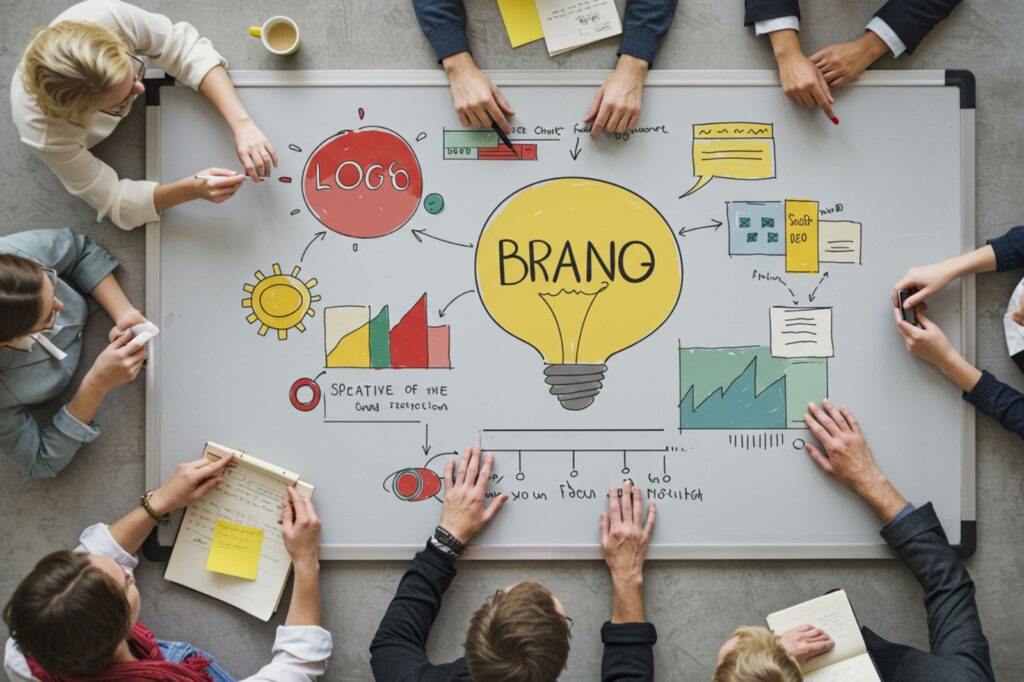
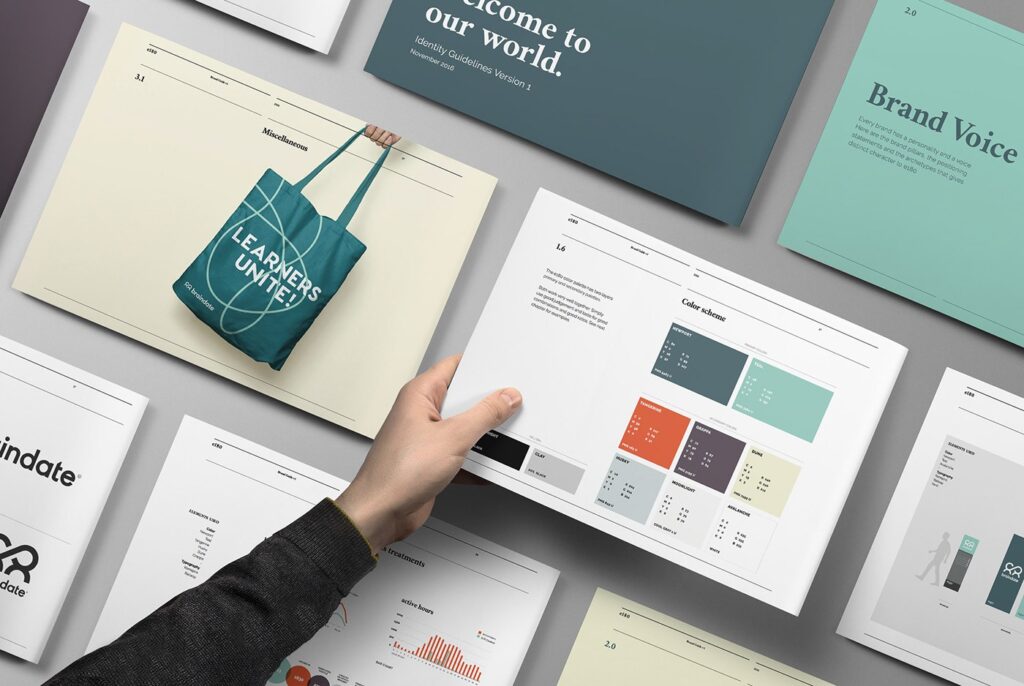
A strong brand is more than just a logo. We create cohesive brand identities that communicate your values, connect with your audience, and establish a consistent presence across every touchpoint. From product and corporate branding to personal and digital branding, our solutions are designed to make your brand stand out.
Product Branding
Product Branding
Create a distinctive identity for your products that attracts attention and builds customer recognition.
Personal Branding
Personal Branding
Personal Branding Build a professional personal identity that showcases your expertise, personality, and unique value.
Service Branding
Service Branding
Position your services with a clear and compelling identity that builds trust and differentiates your business.
Retail Branding
Retail Branding
Create memorable retail experiences that strengthen your presence and connect with customers.
Corporate Branding
Corporate Branding
Develop a professional corporate identity that communicates your company's values, vision, and credibility.
Online Branding
Online Branding
Build a consistent digital presence across websites, social media, and other online platforms.
Offline Branding
Offline Branding
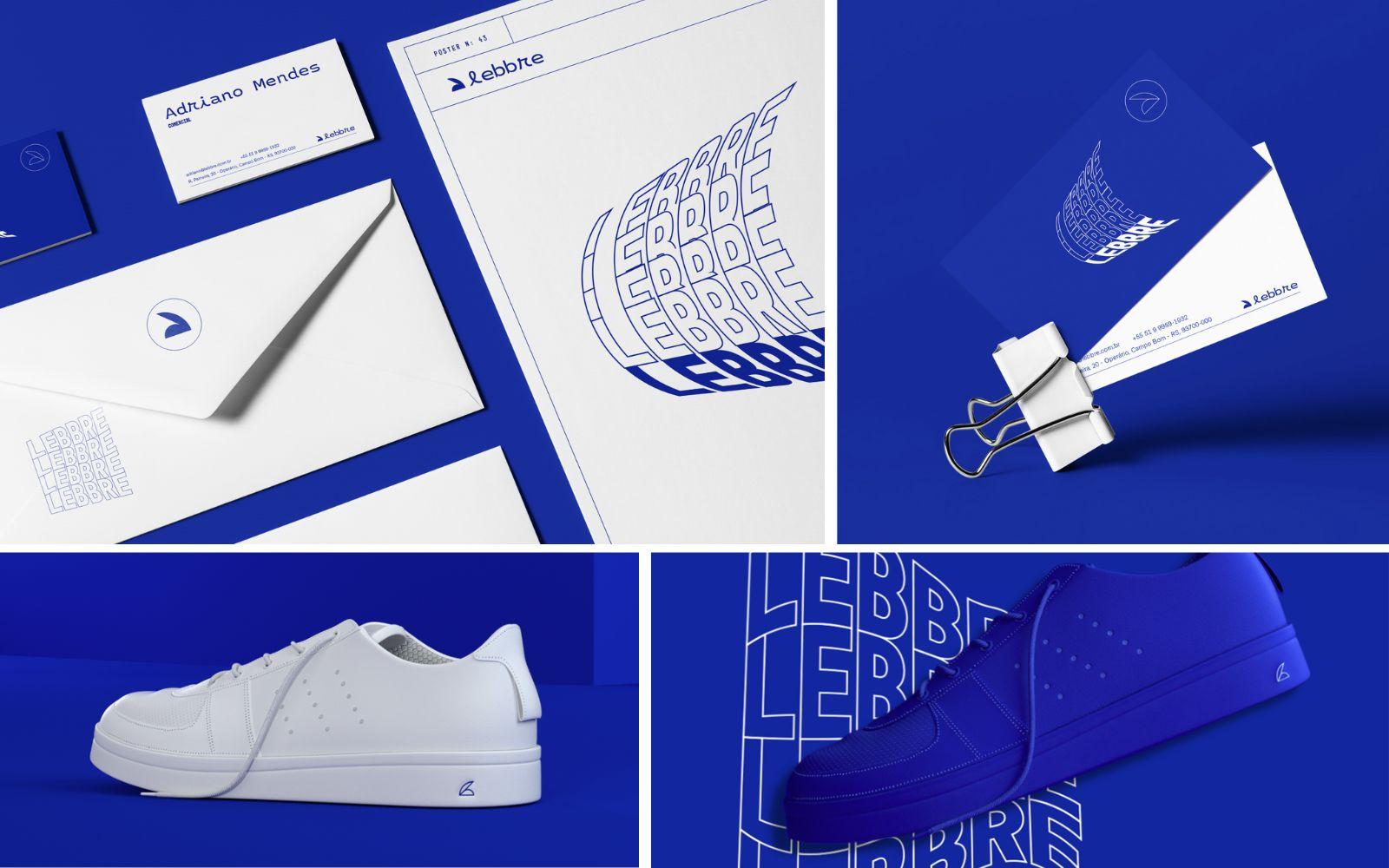
Extend your brand identity into print, packaging, signage, stationery, and other physical touchpoints.
Why Bitone Digital
We combine creative design, modern technology, and business-focused development to build websites that do more than look good. Every project is carefully planned and developed for performance, usability, security, and long-term growth.
Our Process
01/ Research
We study your business, target audience, industry, competitors, and market positioning to establish a strong foundation.
02/ Strategy & Brand Development
We define your brand direction, personality, messaging, visual style, and overall positioning.
03/ Audience Focus
We ensure your brand communicates the right message and creates a meaningful connection with your ideal customers.
04/ Visual Identity Design
We bring your brand to life through logos, typography, colors, graphics, and other visual elements.
05/ Brand Collaboration
We work closely with you throughout the process to refine ideas and ensure the final identity represents your vision.
06/ Implementation & Launch
We prepare your brand assets for launch and help establish a consistent identity across your key touchpoints.
OUR BRANDING PORTFOLIO
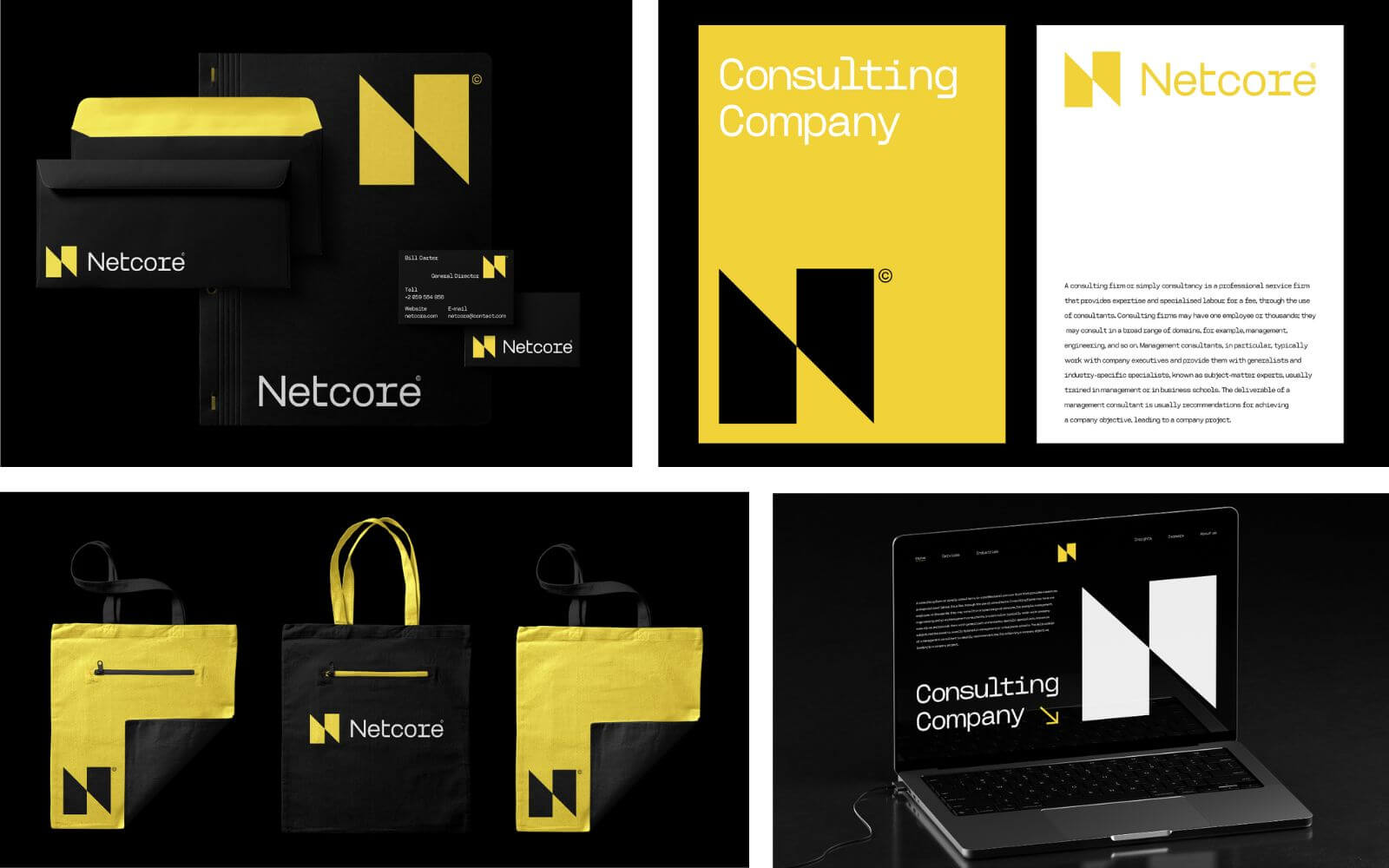
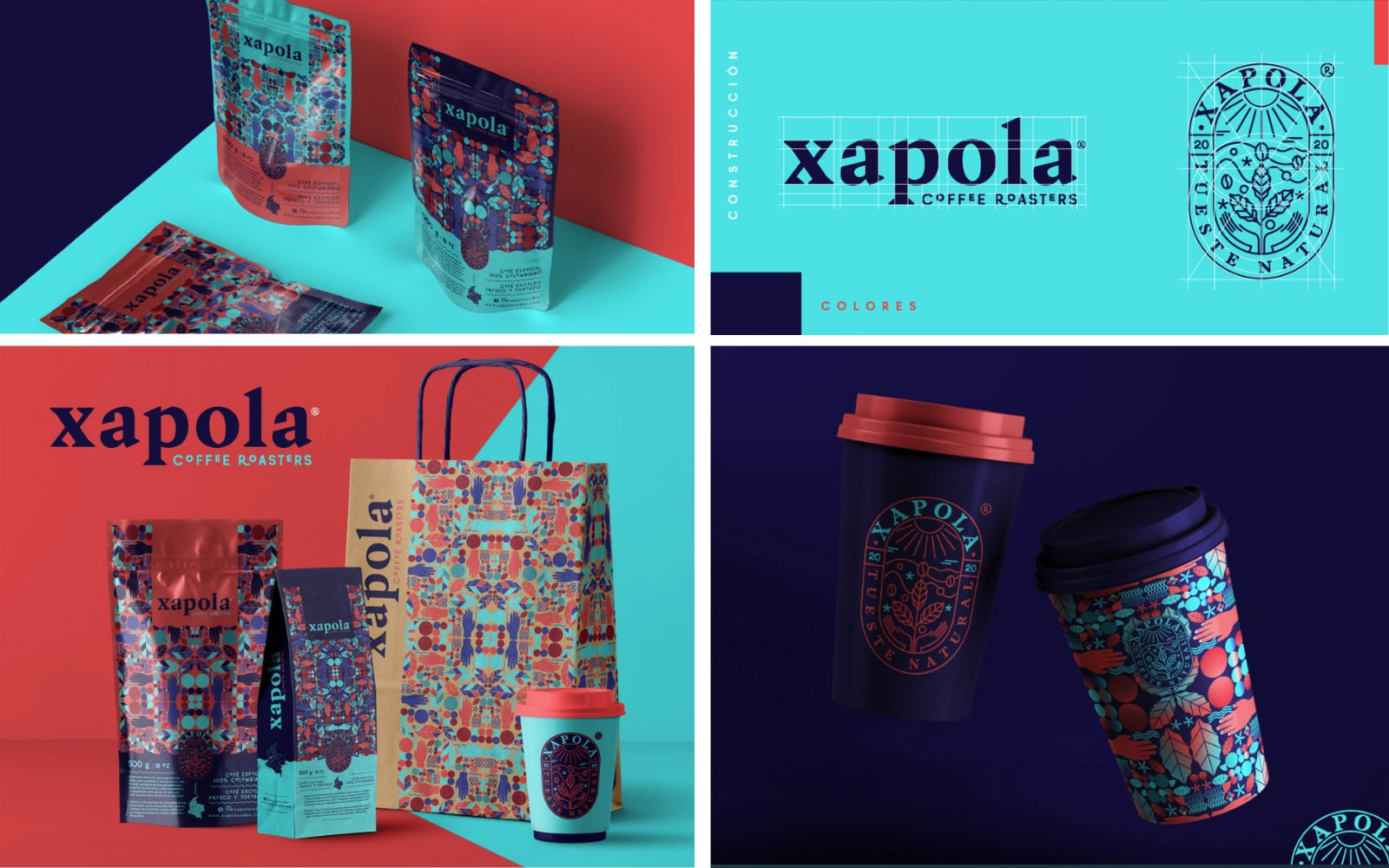
Explore a selection of brand identities we’ve created to help businesses establish a stronger presence, communicate their value, and connect with their audiences.
TECHNOLOGIES WE WORK WITH
We have extensive experience and expertise in working with modern technologies to create reliable, scalable, and high-performing digital solutions.
Testimonials
“I have used Bitone Digital’s services for my business and I am extremely satisfied with the quality of their work. Their team understands requirements, provides creative solutions, and delivers reliable digital services.”
“Bitone Digital provided us with a professional and effective digital solution. Their team was supportive throughout the project and delivered exactly what we needed.”
“Working with Bitone Digital has been a great experience. Their innovative approach, professionalism, and technical expertise made our project successful.”